What is a thread lift?
A thread lift is a minimally invasive cosmetic procedure designed to lift and tighten sagging skin on the face and neck. It involves the use of temporary sutures, or “threads,” that are made of biocompatible materials like polydioxanone (PDO), polycaprolactone (PCL), or polylactic acid (PLA). These threads are inserted under the skin using a needle or cannula, and once in place, they are gently pulled to lift and support the tissues.
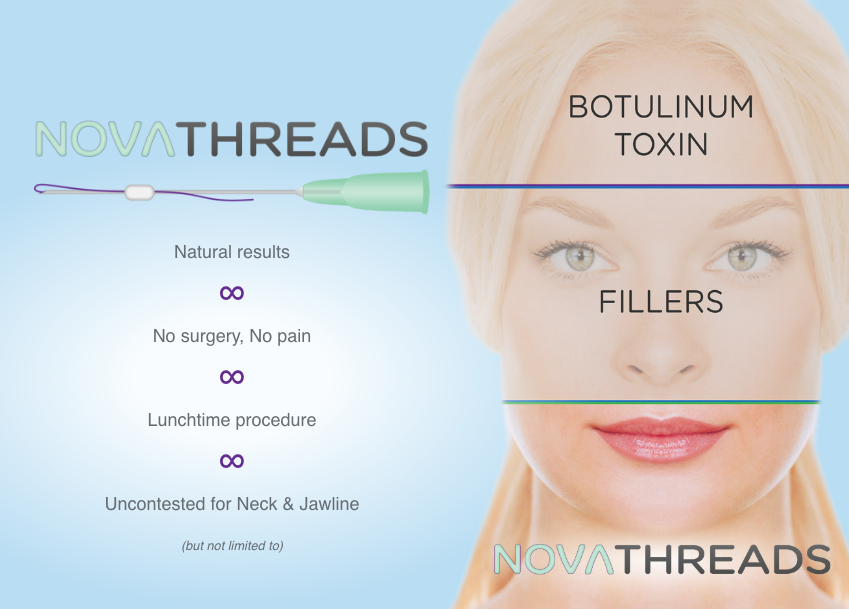
What are the benefits of a thread lift?
A thread lift offers several benefits, particularly for those seeking a minimally invasive way to rejuvenate their appearance.
Here are the key advantages:
1. Minimally Invasive:
- A pdo thread lift is much less invasive than a traditional surgical facelift. It involves minimal incisions, and the procedure can often be completed in under an hour with local anesthesia.
2. Quick Recovery Time:
- The recovery time is significantly shorter than that of a surgical facelift. Most patients can return to their normal activities within a few days, with only mild swelling or bruising.
3. Immediate Results:
- The lifting effect is often visible immediately after the procedure. Patients can see an instant improvement in the contours of the treated areas, although results will continue to improve as the skin heals and collagen production increases.
4. Natural-Looking Results:
- Thread lifts provide subtle and natural-looking results. The outcome is typically a gentle lift, which enhances the facial contours without looking overdone or artificial.
5. Collagen Stimulation:
- In addition to lifting the skin, the threads stimulate the body’s natural collagen production. This helps to improve skin texture, firmness, and elasticity over time, leading to a more youthful appearance.
6. Long-Lasting Effects:
- While not permanent, the results of a thread lift can last from 12 to 24 months, depending on the type of threads used and individual factors. The collagen stimulation effects may also help maintain a more youthful appearance even after the threads have dissolved.
7. Customizable Treatment:
- Thread lifts can be tailored to address specific areas of concern, such as the cheeks, jowls, neck, or brow. This allows for a highly customized treatment plan that targets the patient’s unique needs.
8. Low Risk of Complications:
- Because thread lifts are minimally invasive, the risk of complications is lower compared to surgical procedures. There is a reduced risk of scarring, infection, or anesthesia-related issues.
9. Affordability:
- Thread lifts are generally more affordable than surgical facelifts, making them an accessible option for those seeking facial rejuvenation without the higher costs associated with surgery.
10. Can Be Combined with Other Treatments:
- Thread lifts can be combined with other cosmetic treatments, such as dermal fillers or Botox, to enhance overall facial rejuvenation. This allows patients to achieve more comprehensive results tailored to their specific goals.
11. Reversible and Adjustable:
- If the patient is not satisfied with the results, the threads can often be adjusted or removed, making it a more flexible option compared to permanent surgical procedures.
12. Minimal Scarring:
- Since the procedure involves only small needle insertions, there is minimal scarring, and the tiny entry points usually heal quickly without noticeable marks.
These benefits make thread lifts near me an attractive option for those seeking a non-surgical, low-risk solution to address early signs of aging and enhance their facial contours.
What areas can be treated with a thread lift?
Thread lifts can be used to treat various areas of the face and body, primarily focusing on areas with mild to moderate sagging skin.
The most commonly treated areas include:
Face Thread Lift:
- Cheeks: To lift and contour the mid-face area, reducing the appearance of nasolabial folds (the lines running from the nose to the corners of the mouth).
- Jowls: To tighten sagging skin along the jawline, providing a more defined jawline and reducing the appearance of jowls.
- Eyebrows: An eyebrow thread lift can achieve a subtle brow lift, raise the outer part of the eyebrows and opening up the eye area.
- Forehead: A thread brow lift can reduce horizontal forehead lines and lift the brows.
- Under-Eye Area: An eye thread lift can smooth out and tighten the skin under the eyes, reducing the appearance of hollows or bags.
- Nasolabial Folds: To reduce the depth of smile lines by lifting the skin around the cheeks.
- Marionette Lines: To address the lines that run from the corners of the mouth down toward the chin.
- Neck: A neck thread lift tightens loose skin and reduces the appearance of neck bands or sagging.
- Nose: A nose thread lift can lift and define the nasal tip. It can also improve the nose profile.
Body Thread Lift:
- Neck: Beyond the face, thread lifts can also treat sagging skin in the neck area, improving overall neck contours.
- Arms: Sometimes referred to as a “thread lift for bat wings,” it can help tighten sagging skin on the upper arms.
- Abdomen: Used to improve skin laxity on the stomach, especially after weight loss or pregnancy.
- Thighs: To lift and firm the skin on the inner or outer thighs.
- Knees: To reduce sagging skin above the knees.
Thread lifts can be customized to target specific areas depending on an individual’s needs. They are often chosen for their ability to provide subtle lifting and rejuvenation without the need for extensive surgery.
Who is a good candidate for a thread lift?
A good candidate for a thread lift is typically someone who has mild to moderate signs of facial aging and is looking for a minimally invasive option to rejuvenate their appearance.
Here are specific characteristics of an ideal candidate:
1. Mild to Moderate Skin Laxity:
- Candidates should have some sagging or drooping in areas such as the cheeks, jowls, neck, or brows, but not to the extent that a surgical facelift would be more appropriate.
2. Age Range:
- Most thread lift candidates are typically in their late 30s to early 50s. Younger patients may benefit from a thread lift as a preventive measure, while older patients with more significant skin laxity might require a surgical procedure for optimal results.
3. Good Skin Quality:
- Skin should have sufficient thickness and elasticity to support the threads. Very thin or heavily sun-damaged skin might not hold the threads well or achieve the desired results.
4. Realistic Expectations:
- Ideal candidates should have realistic expectations about the outcomes. A thread lift provides subtle, natural-looking results rather than the dramatic changes seen with a surgical facelift.
5. General Good Health:
- Candidates should be in good overall health, with no major medical conditions that could interfere with healing. Conditions like uncontrolled diabetes or blood-clotting disorders may increase risks and may disqualify someone from being a good candidate.
6. Non-Smokers or Willing to Quit:
- Smoking can impair healing and affect the quality of the results. Non-smokers are ideal candidates, but those who smoke should be willing to quit before and after the procedure.
7. Not Ready or Suitable for Surgery:
- Candidates who are not ready for or are not suitable for more invasive surgical procedures (due to health concerns, recovery time, or personal preference) are often good candidates for a thread lift.
8. Desire for Quick Recovery:
- Thread lift candidates typically prefer procedures with minimal downtime. If someone needs a quick recovery or cannot take extended time off work, a thread lift can be an attractive option.
9. Willingness to Maintain Results:
- To maintain the results of a thread lift, candidates should be open to following post-procedure care guidelines and possibly undergoing maintenance treatments in the future.
If someone fits these criteria and is looking for a minimally invasive option to address early signs of aging, they may be a good candidate for a thread lift.
Who is not a good candidate for a thread lift?
Not everyone is a suitable candidate for a thread lift.
Here are factors and conditions that may disqualify someone from being a good candidate for this procedure:
1. Significant Skin Laxity:
- Individuals with severe sagging or drooping skin may not achieve the desired results with a thread lift. In such cases, a surgical facelift might be a more appropriate option.
2. Poor Skin Quality:
- Those with very thin, heavily sun-damaged, or extremely loose skin may not be good candidates, as the threads may not hold well or may create an uneven appearance.
3. Unrealistic Expectations:
- Candidates expecting dramatic or permanent results similar to those of a surgical facelift might be disappointed. A thread lift offers subtle and temporary improvements, so it’s important to have realistic expectations.
4. Certain Medical Conditions:
- Individuals with certain health issues, such as uncontrolled diabetes, autoimmune diseases, or bleeding disorders, may be at higher risk for complications and may not be suitable candidates.
- Those with active skin infections, rashes, or other skin conditions in the treatment area should also avoid the procedure until these issues are resolved.
5. History of Severe Allergies:
- Patients with a history of severe allergic reactions to materials similar to the threads used in the procedure should avoid thread lifts.
6. Pregnancy and Breastfeeding:
- Pregnant or breastfeeding women are typically advised against undergoing elective cosmetic procedures, including thread lifts, due to the lack of research on the safety of these procedures during pregnancy and lactation.
7. Heavy Smokers:
- Smoking can impair healing and negatively affect the results of a thread lift. While some providers may perform the procedure on smokers, they often recommend quitting smoking before and after the procedure to optimize outcomes. Heavy smokers who are unwilling to quit may not be ideal candidates.
8. Excessive or Rapid Weight Fluctuations:
- Significant weight loss or gain after the procedure can affect the results, leading to uneven or unsatisfactory outcomes. Candidates should have a stable weight before undergoing a thread lift.
9. History of Keloid Scarring:
- Individuals who are prone to keloid or hypertrophic scarring (raised scars) may be at higher risk of developing visible scars from the insertion points of the threads.
10. Previous Invasive Facial Surgery:
- Those who have had previous invasive facial surgeries may have altered facial anatomy, which could complicate the placement of threads and affect the outcome of a face thread lift near me.
In general, individuals who do not fit the criteria for a thread lift or have any of the above risk factors should consider other options, such as non-invasive treatments or surgical procedures, depending on their specific needs and circumstances.
How is a thread lift performed?
A thread lift is a minimally invasive procedure that typically takes about 30 to 60 minutes, depending on the number of areas being treated.
Here is an overview of how the procedure is performed:
1. Consultation and Planning:
- Assessment: The process begins with a consultation where the provider assesses the patient’s facial anatomy, skin laxity, and aesthetic goals.
- Marking: The provider will then mark the areas where the threads will be inserted to achieve the desired lift.
2. Preparation:
- Cleansing: The treatment area is thoroughly cleansed to minimize the risk of infection.
- Anesthesia: Local anesthesia or a topical numbing cream is applied to the treatment area to ensure comfort during the procedure. Some practitioners may also use a small amount of injectable anesthesia.
3. Insertion of Threads:
- Thread Selection: The provider selects the appropriate type of thread (e.g., PDO, PLLA, PCL) based on the patient’s skin type and desired results.
- Needle or Cannula: The threads are preloaded onto thin needles or cannulas, which are then inserted under the skin.
- Placement: The needle or cannula is carefully guided through the subcutaneous tissue (the layer of tissue beneath the skin), following the marked lines.
- Anchoring: Once the thread is in place, the provider gently pulls the thread to lift the skin. The barbs or cones on the thread anchor into the tissue, holding it in the new, lifted position.
- Trimming: The excess thread is trimmed, and the ends are hidden beneath the skin.
4. Adjustments:
- Symmetry Check: The provider ensures that both sides of the face are symmetrical and that the lift is even.
- Fine-Tuning: Any necessary adjustments are made to achieve the desired lift and contour.
5. Post-Procedure Care:
- Immediate Results: Patients can often see some lifting and contouring immediately after the procedure.
- Aftercare Instructions: The provider will give instructions on post-procedure care, including avoiding excessive facial movements, sleeping on the back, and avoiding heavy exercise for a few days.
- Possible Side Effects: Some common side effects include mild swelling, bruising, or discomfort, which typically resolve within a few days.
6. Follow-Up:
- Check-Up: A follow-up appointment may be scheduled to ensure the threads are in place and healing is progressing well.
- Results: Full results develop over the following weeks to months as the threads stimulate collagen production and the skin adjusts to the new contours.
The procedure is generally well-tolerated, with most patients returning to their normal activities within a few days.


How does a thread lift work?
A thread lift works by inserting dissolvable threads with tiny barbs or cones under the skin using a fine needle or cannula. These threads are strategically placed to lift and reposition sagging skin, creating an immediate lifting effect. The barbs anchor the threads in place, and over time, the threads stimulate collagen production, which helps to maintain the lifting effect and improves skin firmness and texture as the threads gradually dissolve. The procedure is minimally invasive and results in a subtle, natural-looking rejuvenation that can last 12 to 24 months.

What is a PDO absorbable suture?
It is a synthetic absorbable surgical suture composed of polydioxanone. PDO sutures have been used extensively for decades by plastic surgeons, general surgeons, orthopedic surgeons and cardiovascular surgeons for wound closure and reconstruction. Polydioxanone is one of the safest materials to be implanted in the body.
Your skin and tissue fully absorbs it within 4 to 6 months. It does not leave any residual scar tissue.

What is the recovery time for a thread lift?
The recovery time for a thread lift Richmond Va is generally much shorter than that of more invasive cosmetic procedures like a traditional facelift. Most people can return to their normal activities fairly quickly, but there are still some post-procedure care guidelines to follow.
Here is what you can typically expect:
Immediate Post-Procedure:
- Mild Swelling and Bruising: It’s common to experience mild swelling, bruising, and some discomfort in the treated areas immediately after the procedure. These effects are usually minimal and begin to subside within a few days.
- Tenderness: Some tenderness or soreness in the treated areas can be expected for a few days, but it is generally manageable with over-the-counter pain relievers.
First 24-48 Hours:
- Rest: Although most people feel well enough to resume light activities within a day, it’s advisable to rest and avoid any strenuous activities or heavy lifting during this initial period.
- Cold Compress: Applying a cold compress can help reduce swelling and bruising.
- Head Elevation: Sleeping with your head elevated can minimize swelling and help ensure the threads stay in place.
First Week:
- Avoid Excessive Facial Movements: It’s important to minimize excessive facial movements, such as wide yawning, laughing, or chewing tough foods, to allow the threads to settle properly.
- No Makeup or Skincare Products: Avoid applying makeup or skincare products to the treated areas for the first 24-48 hours to reduce the risk of infection.
- Gentle Facial Cleansing: When cleansing your face, be very gentle and avoid rubbing or massaging the treated areas.
1-2 Weeks:
- Avoid High-Intensity Exercise: High-intensity exercise, saunas, and hot tubs should be avoided for about 1-2 weeks, as these activities can increase swelling and affect the threads’ placement.
- Resume Normal Activities: Most people can return to their regular daily activities, including work, within 1-3 days, depending on how they feel.
2-4 Weeks:
- Healing Process Continues: By this time, most of the swelling and bruising should have subsided, and the threads will have settled into their final positions. Collagen production stimulated by the threads will continue to improve the appearance over the next several months.
- Follow-Up: A follow-up visit with your provider may be scheduled to check on the healing process and ensure that the threads are properly positioned.
Long-Term Care:
- Maintenance: To maintain the results, follow any specific aftercare instructions provided by your practitioner. Avoid heavy facial treatments like deep chemical peels or laser resurfacing for at least a few months after the procedure.
In summary, while most of the recovery occurs within the first week, it’s important to follow aftercare guidelines for the best results. Full recovery, where the skin and threads have settled entirely, typically occurs within a month.
What do I need to do before having a thread lift?
Preparing for a thread lift involves several important steps to ensure the procedure goes smoothly and that you achieve the best possible results.
Here is what you should do before having a thread lift:
1. Consultation with a Qualified Provider:
- Choose the Right Provider: Ensure that your provider is experienced in performing thread lifts and is board-certified in a relevant field like dermatology, plastic surgery, or cosmetic surgery.
- Discuss Expectations: During the consultation, discuss your aesthetic goals and expectations with your provider. They will assess your skin and facial structure to determine if a thread lift is suitable for you.
- Medical History: Provide your complete medical history, including any medications, supplements, or underlying health conditions. This helps your provider assess any potential risks and make necessary adjustments to the procedure plan.
2. Pre-Procedure Guidelines:
- Avoid Blood-Thinning Medications: About 7-10 days before the procedure, avoid taking blood-thinning medications and supplements, such as aspirin, ibuprofen, vitamin E, fish oil, and certain herbal supplements, as these can increase the risk of bruising and bleeding. Consult your doctor before stopping any prescribed medications.
- Stop Smoking: If you smoke, try to quit or at least reduce smoking several weeks before the procedure, as smoking can impair healing and affect the quality of the results.
- Limit Alcohol Consumption: Avoid alcohol consumption for at least 24-48 hours before the procedure, as alcohol can thin the blood and increase the likelihood of bruising.
- Hydrate: Stay well-hydrated in the days leading up to your procedure. Proper hydration can help with recovery and overall skin health.
3. Skin Preparation:
- Avoid Certain Skin Treatments: Refrain from undergoing any aggressive skin treatments (like chemical peels, laser treatments, or microdermabrasion) for at least a week before your thread lift, as these can irritate the skin.
- Gentle Skincare Routine: Follow a gentle skincare routine leading up to the procedure. Avoid using products with active ingredients like retinoids or strong acids, which might make your skin more sensitive.
4. Arrange for Post-Procedure Care:
- Plan for Transportation: Depending on the extent of your procedure, you might feel a bit groggy or uncomfortable afterward, so it’s a good idea to arrange for someone to drive you home.
- Time Off: Although recovery time is short, consider taking a day or two off work or other commitments, especially if you are prone to bruising or swelling.
5. Day of the Procedure:
- Clean Skin: On the day of the procedure, make sure your face is clean and free of makeup, lotions, or other skincare products.
- Comfortable Clothing: Wear comfortable clothing that doesn’t need to be pulled over your head to avoid disturbing the treated areas after the procedure.
6. Mental Preparation:
- Understand the Process: Make sure you understand the procedure, including what to expect during and after the thread lift. Knowing the steps involved can help reduce anxiety and ensure you’re mentally prepared.
- Realistic Expectations: Have realistic expectations about the results. A thread lift offers subtle, natural-looking improvements, not the dramatic changes associated with a surgical facelift.
By following these steps, you can help ensure that your thread lift procedure goes smoothly and that you achieve the best possible results with minimal complications.
What should I expect on the day of my thread lift?
On the day of your thread lift, you can expect the process to be relatively straightforward and efficient, with minimal discomfort.
Here is a step-by-step overview of what to expect:
1. Arrival at the Clinic:
- Check-In: Upon arrival, you’ll check in at the clinic or medical office. You may be asked to sign consent forms if you haven’t already done so during your consultation.
- Preparation: A staff member might take your vital signs and ensure that you’re comfortable before the procedure begins.
2. Pre-Procedure Preparation:
- Cleansing: The treatment area will be thoroughly cleansed to reduce the risk of infection. This may involve wiping your face with an antiseptic solution.
- Marking: The provider will mark your skin with a pen to indicate where the threads will be inserted. These marks guide the placement of the threads to achieve the desired lifting effect.
- Anesthesia: Local anesthesia or a topical numbing cream will be applied to the areas where the threads will be inserted. This helps to minimize any discomfort during the procedure. In some cases, a small amount of injectable anesthesia may also be used.
3. The Thread Lift Procedure:
- Thread Insertion: Once the anesthesia has taken effect, the provider will begin inserting the threads. This is done using a fine needle or cannula (a thin tube), which is guided through the subcutaneous tissue (the layer beneath the skin).
- Lifting and Positioning: The provider will gently pull the threads to lift the skin. The threads have small barbs or cones that anchor them into the tissue, creating the lifting effect. The provider will adjust the threads as needed to ensure symmetry and the desired contour.
- Trimming: After the threads are positioned, any excess thread is trimmed, and the ends are tucked under the skin. The entry points are small and typically heal quickly without noticeable scarring.
4. Post-Procedure Care:
- Symmetry Check: The provider will check the treated areas for symmetry and ensure that the threads are properly positioned. Any final adjustments will be made at this time.
- Recovery Instructions: You will be given detailed post-procedure care instructions, which may include avoiding excessive facial movements, sleeping with your head elevated, and avoiding heavy exercise for a few days.
- Managing Discomfort: You may be advised to take over-the-counter pain relievers if you experience any discomfort, although most patients report only mild soreness or tightness.
5. Immediate Aftercare:
- Mild Swelling and Bruising: Some swelling, bruising, or redness around the treated areas is common, but these side effects are usually mild and subside within a few days.
- Cold Compress: You may be advised to apply a cold compress to reduce swelling and discomfort.
6. Discharge:
- Leaving the Clinic: Once the procedure is complete, and you’ve received your aftercare instructions, you’ll be able to leave the clinic. The entire process typically takes about 30 to 60 minutes.
- Transportation: If you’ve arranged for someone to drive you home, they can pick you up. You might feel slightly tired or sore, but most patients feel well enough to go about their day with minimal interruption.
7. Follow-Up:
- Scheduling a Follow-Up: Your provider may schedule a follow-up appointment to check the healing process and ensure that the threads have settled properly. This is usually done within a few weeks of the procedure.
8. Recovery:
- Normal Activities: Most patients can return to light activities within a day or two, but you should avoid strenuous activities, heavy lifting, or intense exercise for about a week.
Overall, the day of your thread lift Richmond Va should be a relatively quick and comfortable experience. The procedure is designed to be minimally invasive with a focus on achieving subtle, natural-looking improvements with little downtime.
What should I expect after my thread lift?
After a thread lift, you can expect a relatively quick recovery and subtle, natural-looking improvements in your appearance.
Here is what you can typically expect during the recovery period and beyond:
1. Immediate Post-Procedure:
- Mild Swelling and Bruising: It’s common to experience some swelling, bruising, or redness around the treated areas. This is usually mild and begins to subside within a few days.
- Tenderness and Tightness: You might feel some tenderness, tightness, or slight discomfort in the areas where the threads were inserted. These sensations are normal and generally resolve within a few days to a week.
- Visible Results: You may notice an immediate lifting effect, although the final results will become more apparent as swelling decreases and the threads settle into place.
2. The First Few Days:
- Cold Compress: Applying a cold compress for the first 24-48 hours can help reduce swelling and discomfort.
- Avoid Excessive Movements: Try to minimize facial movements that could disturb the threads, such as wide yawning, vigorous chewing, or laughing. It’s also important to sleep on your back with your head elevated to avoid putting pressure on the treated areas.
- Gentle Cleansing: Cleanse your face gently and avoid rubbing or massaging the treated areas. Avoid applying makeup or skincare products for at least 24 hours unless your provider advises otherwise.
3. The First Week:
- Mild Discomfort: Some residual soreness or tightness may persist, but this should be manageable with over-the-counter pain relievers like acetaminophen. Avoid NSAIDs like ibuprofen or aspirin, as they can increase bruising.
- Resume Normal Activities: Most patients can return to their regular daily activities, including work, within a few days. However, you should continue to avoid strenuous activities, heavy lifting, and intense exercise for about a week.
- Visible Bruising: If you have any bruising, it should start to fade within a week. You can use concealer to cover any lingering marks if needed.
4. Two to Four Weeks Post-Procedure:
- Improving Results: As the swelling and bruising subside, you’ll see a clearer picture of the results. The skin should look lifted, and the contours of your face or neck should appear more defined.
- Collagen Production: The threads stimulate collagen production, which gradually improves the firmness and texture of your skin over the next few months. This helps to enhance the lifting effect and provides a more youthful appearance.
- Avoiding Certain Treatments: Continue to avoid any facial treatments that involve vigorous massage, deep chemical peels, or laser treatments for at least a month to avoid disrupting the threads.
5. Long-Term Expectations:
- Gradual Improvement: The full benefits of the thread lift will be visible within 1-2 months as collagen production increases and the skin adjusts to its new contours.
- Duration of Results: The results of a thread lift typically last between 12 to 24 months, depending on factors like the type of threads used, your skin type, and how well you follow post-procedure care instructions.
- Maintenance: Some patients opt for additional treatments, like dermal fillers or Botox, to complement the thread lift and maintain their results over time. A follow-up thread lift may be recommended after a year or two to maintain the lifting effect.
6. Follow-Up Appointment:
- Check-In: Your provider may schedule a follow-up appointment a few weeks after the procedure to check on the healing process and ensure that the threads are properly positioned.
7. Possible Side Effects:
- Minor Side Effects: In addition to mild swelling and bruising, you might notice slight dimpling or puckering of the skin in the treated areas. This usually resolves as the skin heals.
- Rare Complications: Although rare, complications like infection, asymmetry, or thread migration can occur. If you notice any unusual symptoms, such as significant pain, redness, or asymmetry, contact your provider immediately.
Overall, you can expect a relatively easy recovery with natural-looking results that improve gradually over time. Following your provider’s aftercare instructions carefully will help you achieve the best possible outcome.
How long does a thread lift take?
A thread lift typically takes between 30 minutes to an hour to complete, depending on the number of areas being treated and the complexity of the procedure.
Here is a breakdown of the time involved:
1. Preparation (10-20 minutes):
- Cleansing and Marking: The treatment area is cleansed, and the provider marks the skin to guide thread placement.
- Anesthesia: Local anesthesia or a topical numbing cream is applied to ensure comfort during the procedure. The time it takes for the anesthesia to take effect can vary but usually takes about 10-15 minutes.
2. Thread Insertion (20-40 minutes):
- Thread Placement: The actual insertion of the threads typically takes 20 to 40 minutes, depending on the number of threads used and the areas being treated. The provider will insert the threads using a needle or cannula, adjust them to achieve the desired lift, and trim any excess thread.
3. Final Adjustments and Aftercare Instructions (5-10 minutes):
- Symmetry Check: The provider will check the treated areas for symmetry and make any necessary adjustments.
- Post-Procedure Care: You’ll receive instructions on how to care for the treated areas and what to expect during recovery.
In total, most thread lift procedures are completed within an hour. The relatively short duration of the procedure is one of the reasons why thread lifts are popular for individuals seeking quick, minimally invasive facial rejuvenation.
FAQ
A thread face lift is generally not considered very painful, but experiences can vary from person to person.
Here is what to expect in terms of discomfort:
During the Procedure:
- Local Anesthesia: The treatment area is usually numbed with a local anesthetic or a topical numbing cream, which significantly reduces or eliminates pain during the procedure.
- Sensation: You might feel some pressure, tugging, or mild discomfort as the threads are inserted and adjusted, but most patients report that the procedure is well-tolerated.
After the Procedure:
- Mild Soreness: It’s common to experience mild soreness, tenderness, or a feeling of tightness in the treated areas. This discomfort is usually mild and temporary, lasting a few days to a week.
- Over-the-Counter Pain Relief: Any post-procedure discomfort can typically be managed with over-the-counter pain relievers, such as acetaminophen.
Overall, while thread lift may cause some discomfort, especially during the insertion of the threads, it is generally not described as a painful procedure. The use of anesthesia and the minimally invasive nature of the treatment help keep pain to a minimum.
No, you generally should not have visible scars after a thread lift. The procedure is designed to be minimally invasive, and the threads are inserted through small entry points in the skin using fine needles or cannulas. These entry points are typically very small, similar to the size of a pinprick, and they usually heal quickly without leaving noticeable scars.
Here’s why scarring is minimal:
- Small Incisions: The incisions or entry points are tiny, often just a few millimeters in size. Because they are so small, they heal rapidly and are less likely to result in visible scars.
- No Sutures Required: Since the entry points are small, they usually do not require stitches, which further reduces the risk of scarring.
- Healing Process: The skin heals quickly after the procedure, and any minor marks from the entry points typically fade within a few days to a couple of weeks. Most people do not notice any lasting marks once healing is complete.
- Careful Technique: Skilled practitioners take care to place the threads in areas where any potential marks will be hidden or less noticeable, such as along natural skin creases or in areas covered by hair.
Minimizing the Risk of Scars:
- Aftercare: Following post-procedure care instructions, such as avoiding excessive facial movements, applying cold compresses, and keeping the treated area clean, can help ensure proper healing and reduce the risk of any marks.
- Avoiding Infection: Keeping the area clean and following your provider’s guidelines helps prevent infection, which could otherwise increase the risk of scarring.
You can expect to see initial results from your thread lift almost immediately after the procedure, with continued improvements over the following weeks to months.
Here is a breakdown of what to expect in terms of timing:
1. Immediate Results:
- Lifting Effect: Right after the procedure, you will likely notice an immediate lifting and tightening effect in the treated areas. This is due to the physical lifting action of the threads as they are inserted and adjusted under the skin.
- Mild Swelling: Some swelling and minor bruising may temporarily obscure the final results, but the lifting effect should still be visible.
2. First Few Days:
- Subtle Changes: As the initial swelling and bruising subside (usually within a few days), the results will become more apparent. The treated areas should look lifted, with improved contours.
- Settling: The threads will start to settle into place, and any initial tightness will begin to ease.
3. 1 to 2 Weeks:
- Improved Appearance: By this time, most of the swelling and bruising should have resolved, and the lifting effect should be more natural-looking. You’ll start to see the true contours created by the thread lift.
- Collagen Production Begins: The threads stimulate collagen production, which helps to firm the skin and improve the overall texture and elasticity.
4. 1 to 3 Months:
- Continued Improvement: As collagen production increases, you’ll notice further improvements in the firmness and smoothness of your skin. The lifting effect will become more refined, and the overall appearance of your skin will continue to improve.
- Final Results: By the end of three months, the final results of the thread lift should be fully visible. Your skin should appear firmer, with better contours and a more youthful appearance.
5. Long-Term Effects:
- Sustained Results: The results of a thread lift can last between 12 to 24 months, depending on the type of threads used, your skin type, and how well you follow post-procedure care instructions. Over time, the threads will naturally dissolve, but the collagen they stimulate can help maintain the lifting effect for longer.
While you’ll see some benefits right away, the full impact of the thread lift will develop over a few months as your skin produces new collagen and the threads fully integrate into the tissue.
While a thread lift is generally considered a safe and minimally invasive procedure, like any cosmetic treatment, it carries some potential risks and complications. Understanding these potential issues can help you make an informed decision and take steps to minimize risks.
Possible complications associated with a thread lift:
1. Minor and Common Side Effects:
- Swelling and Bruising: Mild swelling and bruising around the treated areas are common and typically resolve within a few days to a week.
- Tenderness or Discomfort: Some soreness or tightness in the treated areas is expected, usually lasting a few days to a week.
2. Potential Complications:
- Infection: Although rare, there is a risk of infection at the entry points where the threads are inserted. This can occur if bacteria enter the small wounds. Signs of infection include redness, warmth, swelling, or pus at the site.
- Thread Migration or Extrusion: In some cases, the threads may move or become visible under the skin, or they might protrude through the skin. This can happen if the threads are not properly anchored or if the skin is very thin.
- Asymmetry or Irregular Contours: If the threads are not placed evenly, it can result in asymmetry or an uneven appearance. This may require further adjustment or, in some cases, removal and reapplication of the threads.
- Skin Dimpling or Puckering: Occasionally, the threads can cause dimpling, puckering, or rippling of the skin, especially if they are placed too close to the surface or if the skin is very thin. This usually resolves as the skin adjusts, but in some cases, additional treatment may be needed.
- Nerve Damage: Although extremely rare, there is a small risk of nerve injury, which could lead to temporary or, in very rare cases, permanent changes in sensation or movement in the treated area.
3. Delayed Complications:
- Scarring: Although the entry points are small and typically heal without noticeable scars, improper healing or an infection could lead to scarring.
- Granuloma Formation: This is a rare complication where small nodules form around the threads due to a foreign body reaction. These granulomas may need to be treated or removed if they do not resolve on their own.
- Prolonged Swelling or Bruising: While most swelling and bruising resolve quickly, some patients may experience prolonged symptoms, particularly if they have sensitive skin or if the procedure involved multiple threads.
4. Allergic Reactions:
- Material Sensitivity: Though rare, some individuals may have an allergic reaction to the material of the threads. This could lead to localized swelling, redness, or other symptoms, and may require removal of the threads.
5. Unsatisfactory Results:
- Lack of Effectiveness: In some cases, the results may not meet expectations. This could be due to the extent of skin laxity, improper thread placement, or other factors.
- Need for Revision: If the results are not satisfactory, or if complications arise, a revision procedure may be necessary. This could involve adjusting the threads, adding additional threads, or in some cases, removing them.
The results of a thread lift typically last between 12 to 24 months. The duration of the effects can vary depending on several factors:
1. Type of Threads Used:
- PDO (Polydioxanone) Threads: These threads generally last about 6 to 12 months before they dissolve. However, the collagen they stimulate can prolong the lifting effect for up to 18 months.
- PLLA (Poly-L-Lactic Acid) Threads: These threads last longer, often dissolving over 12 to 18 months, with results potentially lasting up to 24 months or more.
- PCL (Polycaprolactone) Threads: These are the longest-lasting threads, with effects that can last up to 24 months or even longer.
2. Individual Factors:
- Age: Younger patients often experience longer-lasting results due to better skin elasticity and collagen production.
- Skin Type: Thicker, more resilient skin tends to hold the threads better, potentially extending the duration of the lift.
- Lifestyle: Factors such as smoking, sun exposure, and significant weight fluctuations can impact the longevity of the results.
- Maintenance: Following your provider’s aftercare instructions and possibly combining the thread lift with other treatments (like Botox or dermal fillers) can help maintain the results for a longer period.
3. Collagen Production:
- The threads stimulate collagen production, which helps to maintain the lifting effect even after the threads have dissolved. This new collagen provides structure and support to the skin, prolonging the youthful appearance achieved by the thread lift.
4. Maintenance Treatments:
- Some people choose to undergo touch-up treatments or additional thread lifts as the initial results begin to fade, allowing them to maintain their appearance over time.
While the results of a thread lift are not permanent, the procedure can offer a long-lasting improvement in facial contours and skin firmness without the need for surgery. If you’re looking to maintain the effects, you may consider a follow-up thread lift after the initial results start to diminish.
A thread face lift cost can vary widely depending on several factors, including the geographic location, the experience of the provider, the specific areas being treated, and the type of threads used.
Here is a general breakdown of what you can expect in terms of cost:
1. Geographic Location:
- Prices for cosmetic procedures tend to be higher in large cities or regions with a high cost of living. For example, thread lifts in places like New York City or Los Angeles may cost more than in smaller cities or rural areas.
2. Provider’s Experience:
- Highly experienced or in-demand providers may charge more for their services due to their expertise and reputation. It’s important to choose a qualified and experienced provider to ensure the best results.
3. Areas Treated:
- The cost will also depend on the number of areas being treated. Treating multiple areas (such as the face and neck) will generally cost more than treating a single area (like just the cheeks or jawline).
4. Type of Threads Used:
- Different types of threads (e.g., PDO, PLLA, PCL) can have different price points, with some longer-lasting or specialized threads being more expensive.
5. Extent of the Procedure:
- The overall complexity and extent of the procedure will influence the cost. More threads or a more intricate procedure will increase the price.
Average Cost:
- Face Thread Lift: Typically ranges from $300 to $4,500, depending on the factors mentioned above.
- Neck Thread Lift: Costs are usually similar to or slightly less than a face thread lift, ranging from $1,500 to $3,000.
- Full Face and Neck: If you choose to have a thread lift for both the face and neck, the cost could range from $3,000 to $8,000.
Additional Costs:
- Consultation Fees: Some providers charge a separate fee for the initial consultation, although this may be applied to the total cost if you proceed with the treatment.
- Anesthesia: Local anesthesia is typically included in the cost, but any additional anesthesia or medications might incur extra charges.
A NovaLift is a type of non-surgical facial rejuvenation procedure that uses NovaThreads, which are absorbable sutures made of polydioxanone (PDO). This procedure is designed to lift and tighten sagging skin, particularly in the face and neck areas, providing a more youthful appearance without the need for invasive surgery.
How a NovaLift Works:
Thread Insertion:
- During the procedure, fine needles pre-loaded with NovaThreads are inserted into the skin at specific points. These threads are carefully positioned to lift and support the underlying tissues.
Lifting Effect:
- Once in place, the threads are gently pulled to create a lifting effect. The threads have tiny barbs or cones that anchor them to the tissue, helping to lift and hold the skin in its new position.
Collagen Stimulation:
- NovaThreads also stimulate the body’s natural collagen production. As the threads dissolve over time (typically within 4 to 6 months), the new collagen helps maintain the lifting effect and improves the skin’s texture and firmness.
Natural-Looking Results:
- The results of a NovaLift are usually subtle and natural-looking, providing a gentle lift and improving facial contours. This can help reduce the appearance of sagging skin, jowls, and wrinkles.
Benefits of a NovaLift:
- Minimally Invasive: Unlike a traditional surgical facelift, a NovaLift requires no large incisions, and there is minimal downtime.
- Quick Procedure: The procedure typically takes 30 to 60 minutes, making it convenient for those with busy schedules.
- Immediate Results: Some lifting effects are visible immediately after the procedure, with continued improvement as collagen production increases.
- Temporary and Adjustable: Since the threads dissolve over time, the results are not permanent, which can be beneficial for those who prefer less commitment to long-term changes. Additional threads can be placed later if desired.
Recovery:
- Minimal Downtime: Most patients can return to their normal activities within a day or two, although it is recommended to avoid strenuous activities for about a week.
- Mild Side Effects: Common side effects include mild swelling, bruising, or tenderness, which typically resolve within a few days.
Longevity of Results:
- The results of a NovaLift can last from 12 to 18 months, depending on factors such as the individual’s skin type, age, and lifestyle.
A NovaLift is often chosen by individuals who want a quick, non-surgical option for facial rejuvenation with minimal risk and recovery time.
A Silhouette InstaLift is a non-surgical facial rejuvenation procedure designed to lift and contour the mid-face, jowls, and neck using dissolvable sutures with bi-directional cones. This minimally invasive procedure is often used to address sagging skin and loss of facial volume, offering a more youthful appearance without the need for traditional surgery.
How Silhouette InstaLift Works:
Bi-Directional Sutures with Cones:
- The procedure uses specialized sutures made of polylactic acid (PLA), a biocompatible material that is commonly used in medical applications. These sutures are unique in that they have tiny, bi-directional cones along their length. The cones help anchor the suture in the tissue and create a lifting effect when the suture is tightened.
Procedure:
- During the procedure, the surgeon inserts the sutures under the skin using a fine needle. The sutures are carefully positioned to lift the deeper layers of the skin, effectively repositioning and securing sagging facial tissue.
- Once the sutures are in place, the surgeon adjusts them to achieve the desired lift, creating a subtle but noticeable improvement in the treated areas.
Collagen Stimulation:
- In addition to the immediate lifting effect, Silhouette InstaLift sutures stimulate the body’s natural collagen production as they dissolve over time (usually within 6 to 12 months). This new collagen helps to maintain the lifted appearance and improves skin texture and firmness.
Benefits of Silhouette InstaLift:
Immediate Lifting with Natural Results:
- Patients often see an immediate improvement in facial contours, with results that appear natural and not overly dramatic. The lifting effect is subtle and enhances the natural facial structure.
Minimally Invasive:
- The procedure is minimally invasive, with no large incisions or significant downtime. It is typically performed in a doctor’s office under local anesthesia.
Collagen Stimulation for Long-Lasting Effects:
- The collagen production stimulated by the sutures provides ongoing skin rejuvenation, helping to prolong the results even after the sutures have dissolved.
Quick Procedure:
- The entire procedure usually takes about 45 minutes to an hour, depending on the number of areas being treated.
Recovery:
Minimal Downtime:
- Most patients can return to their normal activities within a day or two, although some may experience mild swelling, bruising, or tenderness for a few days.
Post-Procedure Care:
- Patients are typically advised to avoid strenuous exercise, excessive facial movements, and sleeping on their sides for a week or so to ensure optimal results.
Longevity of Results:
- The results of a Silhouette InstaLift typically last between 12 to 18 months, depending on factors such as the patient’s skin type, age, and lifestyle.
Ideal Candidates:
- The procedure is best suited for individuals with mild to moderate skin laxity in the mid-face, jowls, and neck who are looking for a non-surgical solution to lift and rejuvenate their appearance.
Silhouette InstaLift is an attractive option for those seeking a quick, minimally invasive treatment with immediate and long-lasting results. It offers the benefits of a traditional facelift without the need for surgery or extended recovery time.
The number of thread lift treatments you’ll need depends on several factors, including your aesthetic goals, the degree of skin laxity, the specific areas being treated, and the type of threads used.
Here is a general guideline:
1. Initial Treatment:
- Single Treatment for Most Patients: Most people achieve satisfactory results with a single thread lift treatment. This treatment typically provides an immediate lifting effect and stimulates collagen production, which enhances the results over time.
- Areas Treated: Depending on the areas being treated (e.g., cheeks, jowls, neck), the number of threads used in a single session may vary. Your provider will customize the treatment to address your specific needs.
2. Longevity of Results:
- Duration: The results of a thread lift generally last between 12 to 24 months, depending on factors like the type of threads used (e.g., PDO, PLLA, or PCL), your skin’s response, and your lifestyle.
- Collagen Production: As the threads dissolve, they stimulate collagen production, which helps maintain the lifted appearance even after the threads are gone.
3. Maintenance Treatments:
- Touch-Up Treatments: To maintain the effects of a thread lift, some patients opt for touch-up treatments as the initial results begin to fade. This is typically done 12 to 18 months after the first treatment, depending on how long the effects last for you.
- Combination with Other Treatments: Some patients combine thread lifts with other non-surgical treatments like dermal fillers, Botox, or skin resurfacing to enhance and prolong the results.
4. Customized Treatment Plan:
- Consultation: During your consultation, Dr. DeConti will assess your skin, discuss your goals, and recommend a treatment plan. This plan may include one or more thread lift sessions, depending on the level of lifting required and how your skin responds to the initial treatment.
In summary, most patients need only one thread lift treatment to achieve their desired results, with possible touch-up sessions after 12 to 18 months to maintain the effect.
Yes, a thread lift can be effectively combined with other cosmetic procedures to enhance and complement the overall results. Combining treatments can address multiple signs of aging and provide more comprehensive facial rejuvenation.
Here are some common procedures that are often combined with a thread lift:
1. Dermal Fillers:
- Purpose: Dermal fillers are used to restore volume to areas of the face that have lost fullness due to aging, such as the cheeks, under-eye area, lips, and nasolabial folds.
- Combination Benefits: While the thread lift provides lifting and tightening, dermal fillers can smooth out deep wrinkles and add volume, resulting in a more youthful and balanced appearance.
2. Botox (Botulinum Toxin):
- Purpose: Botox is used to relax muscles that cause dynamic wrinkles, such as crow’s feet, forehead lines, and frown lines.
- Combination Benefits: A thread lift can lift and reposition sagging skin, while Botox can smooth out fine lines and wrinkles caused by muscle movement. Together, they offer a more complete facial rejuvenation.
3. Laser Resurfacing or Chemical Peels:
- Purpose: Laser resurfacing and chemical peels are used to improve skin texture, tone, and overall quality by removing damaged outer layers of skin.
- Combination Benefits: These treatments can enhance the results of a thread lift by addressing surface-level skin concerns, such as uneven texture, pigmentation, and fine lines. Combining these treatments can result in smoother, more radiant skin in addition to the lifting effect.
4. Microneedling with PRP (Platelet-Rich Plasma):
- Purpose: Microneedling stimulates collagen production and can be combined with PRP to enhance skin healing and rejuvenation.
- Combination Benefits: While the thread lift provides structural support and lifting, microneedling with PRP can improve skin texture, tone, and overall vitality. This combination can lead to more youthful and healthy-looking skin.
5. Fat Transfer:
- Purpose: Fat transfer involves harvesting fat from another area of your body (like the abdomen or thighs) and injecting it into areas of the face that have lost volume.
- Combination Benefits: A thread lift can lift and tighten sagging skin, while fat transfer can restore lost volume, particularly in the cheeks, temples, and under-eye area, for a more comprehensive rejuvenation.
6. Ultherapy or Radiofrequency (RF) Treatments:
- Purpose: Ultherapy and RF treatments use ultrasound or radiofrequency energy to tighten and lift the skin by stimulating collagen production.
- Combination Benefits: These treatments can be combined with a thread lift to further enhance skin tightening and lifting, especially in areas where the skin is more lax.
7. Liposuction or Kybella for Double Chin:
- Purpose: Liposuction or Kybella injections can be used to reduce excess fat under the chin, creating a more defined jawline and neck.
- Combination Benefits: A thread lift can lift and tighten the skin around the jawline and neck, while these fat-reduction procedures can enhance the contouring effect by removing unwanted fat.
8. Eyelid Surgery (Blepharoplasty):
- Purpose: Blepharoplasty is a surgical procedure to remove excess skin and fat from the upper or lower eyelids.
- Combination Benefits: Combining a thread lift with eyelid surgery can address both sagging facial skin and drooping eyelids, resulting in a more refreshed and youthful overall appearance.
Considerations:
- Personalized Treatment Plan: Dr. DeConti will assess your individual needs and goals to create a customized treatment plan. The combination of treatments should be tailored to address your specific concerns and enhance the overall results.
- Recovery Time: Combining procedures may impact recovery time, so it’s important to plan accordingly.
In summary, combining a pdo thread lift near me with other cosmetic procedures can provide more comprehensive and synergistic results, addressing multiple aspects of facial aging and rejuvenation.
A thread lift is a cosmetic procedure that uses temporary sutures to produce a subtle but visible “lift” in the skin. While it’s less invasive than a traditional facelift, there are several potential disadvantages and risks associated with the procedure:
1. Limited Results
- Subtle Improvement: Thread lifts typically provide a more subtle lift compared to surgical facelifts. The results may not be as dramatic or long-lasting, and some people may find them underwhelming.
- Short Duration: The results usually last between 1 to 3 years, which is shorter than the results from a surgical facelift.
2. Potential for Complications
- Infection: As with any procedure involving sutures, there’s a risk of infection at the insertion sites.
- Thread Visibility: In some cases, the threads can become visible under the skin, or the skin may pucker where the threads are placed.
- Migration or Extrusion: Threads can shift from their original position or even poke through the skin, requiring removal.
3. Asymmetry
- The lift achieved by the threads may not be perfectly symmetrical, leading to uneven results.
4. Skin Irregularities
- Dimpling and Ripple Effect: The threads can sometimes create dimples or ripples in the skin, especially if they are not placed correctly or if the skin is thin.
- Scarring: Although minimal, there is a potential for scarring at the entry points of the threads.
5. Need for Maintenance
- To maintain the results, repeat procedures may be necessary, which can add to the overall cost and inconvenience over time.
6. Pain and Discomfort
- Some patients may experience pain, discomfort, or a feeling of tightness in the treated area, especially in the initial recovery period.
7. Not Suitable for Everyone
- Skin Type: Individuals with very thin skin or significant skin laxity may not be good candidates for a thread lift, as the procedure may not provide satisfactory results.
- Age Limitations: Thread lifts are typically more suitable for individuals in their 30s to 50s. Those with more advanced signs of aging may require more invasive procedures to achieve the desired outcome.
8. Cost
- While less expensive than a surgical facelift, thread lifts can still be costly, especially considering the need for potential touch-ups or repeat procedures.
A “fox eyes” thread lift is a cosmetic procedure designed to create an elongated, almond-shaped eye appearance, reminiscent of the eyes of a fox. This look is characterized by a lifted and slightly upturned outer corner of the eyes, giving a more youthful and exotic appearance. The procedure is part of the broader trend of thread lifts, which involve the use of dissolvable threads to lift and reposition the skin.
Key Features of a Fox Eye Thread Lift:
1. Lifting the Outer Eyebrow and Eye Corner
- Eyebrow Lift: The procedure lifts the outer part of the eyebrow, creating a more arched and elevated brow. This is a significant part of achieving the “fox eyes” look.
- Eye Corner Lift: The outer corner of the eye is also lifted, which elongates the eye shape, making it appear more slanted or almond-shaped.
2. Thread Placement
- Strategic Thread Placement: The threads are inserted under the skin in a way that lifts and repositions the skin around the outer corners of the eyes and the brows.
- Absorbable Threads: The threads used are typically made of materials like polydioxanone (PDO), which are absorbable by the body over time.
3. Subtle and Immediate Results
- Instant Lift: The lifting effect is immediate, although some swelling may occur initially, with the final result becoming more apparent after a week or two.
- Natural-Looking Results: The results are generally subtle, providing a natural lift rather than a dramatic change.
4. Non-Surgical Alternative
- Minimally Invasive: Unlike traditional surgical lifts, the fox eyes thread lift is minimally invasive, typically performed under local anesthesia with little to no downtime.
- Quick Procedure: The procedure usually takes less than an hour, making it a popular option for those seeking quick, non-surgical enhancement.
5. Temporary Results
- Duration: The effects of a foxeye thread lift are not permanent, typically lasting between 6 to 12 months, depending on factors such as the type of threads used and the patient’s skin condition.
- Reversible: Since the threads eventually dissolve, the lift gradually diminishes, allowing the face to return to its original state.
6. Potential Risks and Complications
- Asymmetry: There is a risk of asymmetrical results, where one eye may appear more lifted than the other.
- Thread Visibility: In some cases, threads may become visible under the skin or cause dimpling.
- Infection: As with any procedure that involves breaking the skin, there is a risk of infection at the thread insertion points.
Ideal Candidates:
- Youthful Skin: Ideal for individuals with mild to moderate skin laxity. It is generally recommended for younger patients or those in their early stages of aging.
- Desire for a Non-Surgical Option: Suitable for people who want a temporary enhancement and are not ready to commit to a more invasive procedure like a surgical brow lift.
Recovery:
- Minimal Downtime: Most patients can resume their normal activities within a day or two, although it is advisable to avoid strenuous activity for a week or so.
- Temporary Swelling and Bruising: Some swelling, bruising, or discomfort may occur at the thread insertion sites but typically resolves within a few days.
The fox eyes thread lift is popular among those looking to achieve a more defined and lifted eye appearance without undergoing surgery, offering a less invasive and reversible way to enhance their facial features.
A cat eye thread lift is a minimally invasive cosmetic procedure designed to lift and elongate the outer corners of the eyes, creating a more almond-shaped or “cat-eye” appearance. This procedure is part of the broader category of thread lifts, which use dissolvable threads to lift and tighten the skin.
How It Works:
- Threads: The procedure involves inserting fine, absorbable threads (often made of materials like polydioxanone, or PDO) under the skin using a needle or cannula. These threads have tiny barbs or cones that anchor to the tissue beneath the skin.
- Lifting and Tightening: Once in place, the threads are gently pulled to lift the skin around the outer corners of the eyes. This can create the desired upward slant of the eyes.
- Collagen Stimulation: The threads also stimulate the body’s natural production of collagen, which helps to maintain the lifted appearance over time.
Benefits:
- Non-surgical: It’s a less invasive alternative to surgical procedures like blepharoplasty or a full facelift.
- Quick Recovery: The recovery time is relatively short compared to traditional surgery, with most people returning to normal activities within a few days.
- Temporary: The results are not permanent, typically lasting from 6 months to 2 years, depending on factors like the type of thread used and individual patient factors.
Risks and Considerations:
- Side Effects: Some common side effects include bruising, swelling, and discomfort at the insertion sites.
- Asymmetry: There’s a risk of asymmetry or uneven results if the procedure is not done correctly.
- Infection: As with any procedure that involves inserting foreign material under the skin, there is a risk of infection.
People often choose this procedure to achieve a more youthful, lifted look around the eyes without undergoing full surgery.
- Loss of Lifting Effect: Thread lifts use absorbable sutures (like PDO, PLLA, or PCL) to lift sagging skin and stimulate collagen production. Over time (usually 6–18 months, depending on the thread material), the threads dissolve, and the lifting effect fades. The skin may gradually return to its pre-treatment position, with sagging becoming more noticeable again.
- Collagen Stimulation Fades: The threads stimulate collagen production, which helps maintain skin firmness and elasticity. Once the threads dissolve, collagen production slows down, though some residual benefits may persist for a while due to the initial boost.
- Natural Aging Continues: As the threads dissolve, the natural aging process resumes, with ongoing loss of skin elasticity and volume. The degree of sagging depends on factors like age, skin quality, lifestyle, and genetics.
- No Permanent Changes: Thread lifts are temporary and non-surgical, so there are no permanent alterations to the skin or underlying tissues. The procedure is reversible in the sense that the body returns to its baseline state.
- Possible Maintenance Treatments: To maintain results, patients may opt for additional thread lifts or complementary treatments like fillers, Botox, or laser therapy. Regular skincare and a healthy lifestyle can also help prolong the benefits.
- Minimal Side Effects: The dissolution of threads is generally safe, as they’re designed to be biocompatible. Rarely, complications like thread migration or palpability may occur if the procedure wasn’t done correctly, but these typically resolve as the threads break down.
What makes Dr. DeConti’s thread lifts better or special?
Dr. Robert DeConti’s thread lifts are considered special and potentially superior due to several factors that distinguish his approach and practice:
Extensive Experience and Expertise: Dr. DeConti is a board-certified plastic surgeon with extensive training and experience in cosmetic procedures, including thread lifts. His background includes advanced training in various surgical fields, ensuring a high level of skill and precision in his work.
Patient-Centered Approach: Dr. DeConti is known for his compassionate care and attention to detail. He emphasizes personalized treatment plans tailored to each patient’s unique facial anatomy and aesthetic goals. His approach ensures that the thread lift results are natural-looking and harmonious with the patient’s overall appearance.
Use of Advanced Techniques: Dr. DeConti stays up-to-date with the latest technologies and techniques in cosmetic surgery, including the use of advanced thread lift methods like NovaThreads and Silhouette Soft. These techniques not only lift the skin but also stimulate collagen production, leading to longer-lasting and more refined results. He also makes a small incision in the temple area, pulls the threads up, and anchors the threads to the deep tissue. This always the threads to give a greater lift, resulting in a better more long lasting result.
Commitment to Safety and Outcomes: Patient safety is a top priority for Dr. DeConti. He has a track record of producing excellent results with fewer complications compared to national averages, which is crucial in any cosmetic procedure, including thread lifts.
Positive Patient Feedback: Dr. DeConti consistently receives high praise from his patients for both his surgical outcomes and his bedside manner. Positive reviews and testimonials highlight his ability to achieve aesthetically pleasing results while maintaining a caring and supportive approach to patient care.
These factors contribute to why Dr. DeConti’s thread lifts are often seen as better or superior compared to other providers
Choosing a thread lift is a significant decision, and consulting with a skilled and experienced professional like Dr. Robert DeConti can help ensure you achieve the results you’re hoping for. Taking the time to learn about the procedure and prepare for your consultation will empower you to make the best choice for your aesthetic goals. If you would like to learn more, please contact DeConti Plastic Surgery at 804 673-8000. Schedule a consultation today so you can look younger tomorrow!